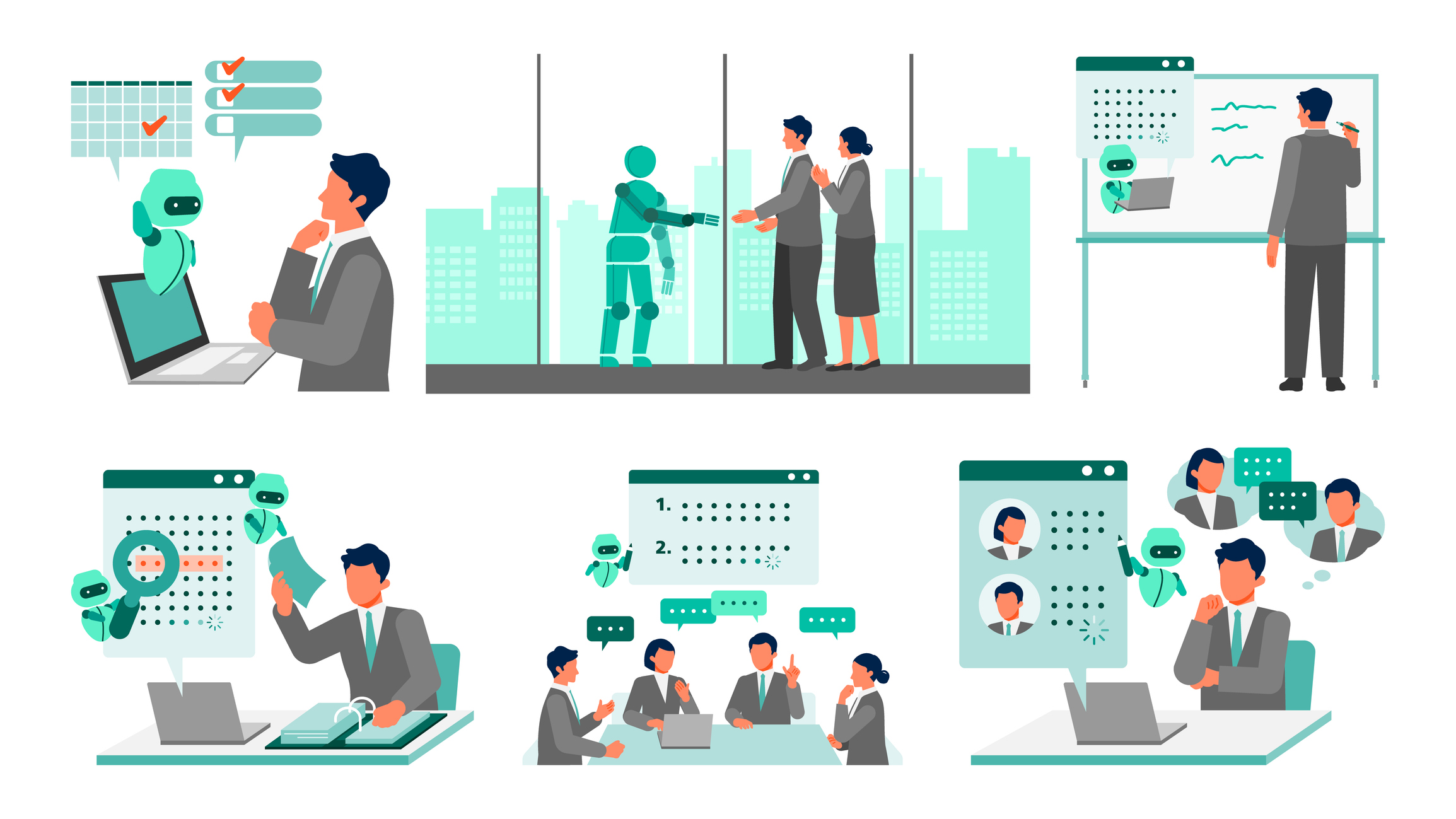
For years, artificial intelligence has been framed as a threat — a looming force set to replace jobs, creatives, and entire industries. The reality, however, is far more nuanced.
Article
For years, artificial intelligence has been framed as a threat — a looming force set to replace jobs, creatives, and entire industries.
The reality, however, is far more nuanced. AI is not replacing humans. It’s replacing inefficiency.
Across the globe, companies are adopting AI to automate repetitive tasks, analyze massive datasets, and improve decision-making. From customer support chatbots to fraud detection systems in banking, AI’s strongest value lies in speed, accuracy, and scale — not creativity or judgment.
In Africa, the opportunity is even more significant. Many businesses still rely heavily on manual processes: paper records, spreadsheets, phone calls, and guesswork. AI offers a chance to leapfrog outdated systems entirely. For example, small businesses can now use AI-powered tools for bookkeeping, inventory forecasting, and customer engagement without hiring large teams. AI is not coming for humans
Globally, McKinsey estimates that AI could add trillions of dollars to the world economy annually. But that value won’t come from replacing people — it will come from freeing them to do higher-value work: strategy, creativity, relationship-building, and leadership.
The future belongs to businesses that understand one simple truth: AI is a tool, not a takeover. Those who learn to work with it will outpace those who fear it.
We use privacy-conscious analytics to understand visits, devices, traffic sources, and which pages lead to enquiries. We only start this tracking if you agree.